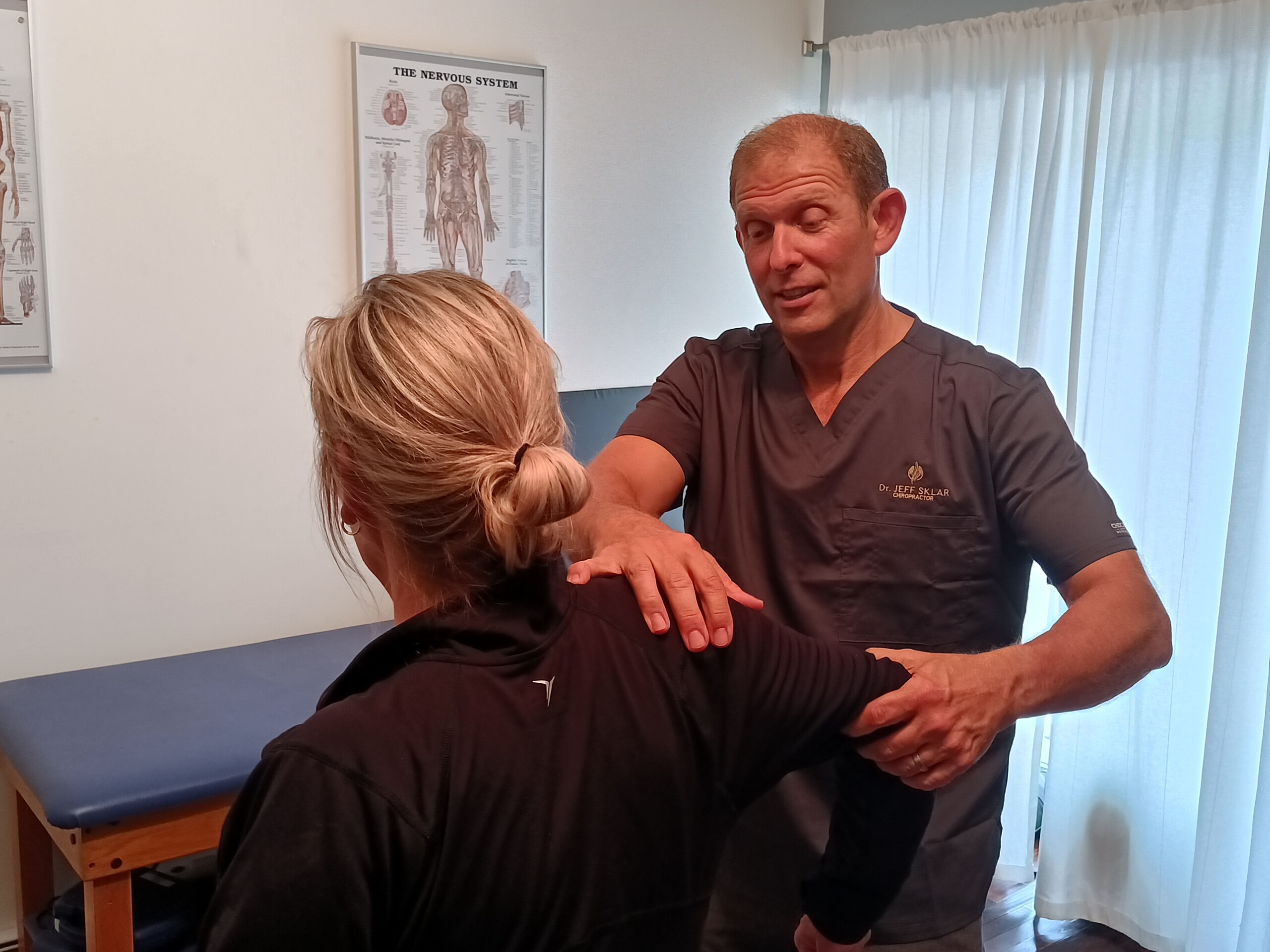

Travel is one of life’s greatest pleasures, but long hours sitting in cars, trains, and airplanes can trigger back pain, neck stiffness, joint discomfort, and muscle tension. Whether you’re heading to a tropical beach, visiting family, or taking a business trip, a little preparation can help keep pain from becoming an unwelcome travel companion.
At Sklar Chiropractic, we often help patients prepare for travel and recover from the physical stress that vacations can place on the body. Here are some practical strategies to help you stay comfortable while traveling.
Why Travel Can Increase Pain
Travel places unusual demands on your body:
- Prolonged sitting decreases circulation.
- Poor posture strains the neck and back.
- Lifting luggage can aggravate existing injuries.
- Dehydration contributes to muscle tightness and fatigue.
- Changes in sleeping arrangements can trigger pain flare-ups.
The good news is that many travel-related aches and pains can be prevented.
Before You Leave
Stretch and Move
Perform gentle stretches before heading to the airport or getting into the car. Focus on:
- Neck mobility exercises
- Shoulder rolls
- Hip flexor stretches
- Hamstring stretches
- Gentle spinal twists
Even five minutes of stretching can help prepare your body for prolonged sitting.
Pack Smart
Avoid overpacking. Heavy luggage is a common cause of travel-related back injuries.
Consider:
- Rolling suitcases instead of shoulder bags
- Luggage with four spinner wheels
- Dividing heavy items between bags
- Using proper lifting mechanics
Learn proper lifting techniques from the National Safety Council:
https://www.nsc.org/workplace/safety-topics/ergonomics
Flying with Pain: Tips for Air Travel
Bring a Zip-Lock Bag for Ice
This is one of the simplest and most effective travel hacks.
After passing through airport security, ask a restaurant or flight attendant to fill a large zip-lock bag with ice. It can be used to:
- Reduce inflammation
- Calm irritated joints
- Decrease muscle spasms
- Relieve acute neck or back pain
The bag can conform to almost any body part and is easy to refill throughout your trip.
Request an Aisle Seat
An aisle seat makes it easier to:
- Stand frequently
- Stretch your legs
- Walk periodically during longer flights
Experts recommend standing or walking every 30-60 minutes when possible.
Use Lumbar Support
A small travel pillow or rolled-up sweatshirt placed behind the lower back can help maintain the natural curve of your spine.
Stay Hydrated
Airplane cabins are extremely dry. Dehydration can increase muscle stiffness and fatigue.
Drink water regularly and limit:
- Excess alcohol
- Sugary drinks
- Excess caffeine
Road Trip Pain Prevention
Stop Every Hour
Many people try to maximize driving time, but your body benefits from frequent movement.
Every 60-90 minutes:
- Exit the vehicle
- Walk for a few minutes
- Stretch your hips and back
- Perform gentle shoulder rolls
Adjust Your Seat Properly
Your knees should be slightly lower than your hips.
Adjust:
- Seat angle
- Lumbar support
- Headrest position
The headrest should align with the middle of your head—not your neck.
Hotel and Vacation Tips
Evaluate Your Mattress
Hotel beds vary significantly in firmness.
If the mattress feels too soft:
- Place a folded blanket under your hips
- Use an extra pillow for support
If it’s too firm:
- Ask for a mattress topper if available
Continue Your Movement Routine
Vacations often interrupt healthy habits.
Even 10-15 minutes daily of:
- Walking
- Stretching
- Light exercise
can significantly reduce stiffness and pain.
Helpful Travel Tools
Consider packing:
- Reusable ice packs (for road trips)
- Large zip-lock bags for ice
- Lumbar support cushion
- Cervical travel pillow
- Resistance bands
- Foam roller (compact travel size)
- Tennis ball for self-myofascial release
When Pain Persists
If travel-related pain lingers after your trip, it may indicate an underlying biomechanical issue that deserves attention.
Chiropractic care can help:
- Improve joint mobility
- Reduce muscle tension
- Restore proper movement patterns
- Improve posture
- Decrease recurring travel-related pain
The American Chiropractic Association provides additional information about spinal health and travel ergonomics:
https://www.acatoday.org
Final Thoughts
Travel should create memories—not pain.
A little preparation, regular movement, proper hydration, and simple tools like a zip-lock bag filled with ice can make a tremendous difference in how your body feels during and after your trip.
If you’re planning an upcoming vacation and have concerns about back pain, neck pain, arthritis, or previous injuries, consider scheduling a chiropractic evaluation before you leave. Your body will thank you when you arrive at your destination feeling ready to enjoy the journey.
About Dr. Jeff Sklar
Dr. Jeff Sklar has been helping patients in Chestnut Hill and the greater Philadelphia area improve mobility, reduce pain, and maintain active lifestyles for more than 25 years. Whether you’re preparing for travel or recovering from it, chiropractic care can help keep your body moving at its best.