
Why Your Muscles Get Stiff With Age — And How to Stay Mobile for Life
If you’ve ever thought, “I used to be so much more flexible,” you’re not imagining it.
Over time, your body’s soft tissues—muscles, tendons, and fascia—naturally lose their pliability (ability to move freely) and elasticity (ability to stretch and rebound). This process is gradual, but its impact on how you feel and move is significant.
The good news?
This decline is not inevitable. With the right strategies, you can maintain—and even improve—your mobility, reduce pain, and preserve a high quality of life.
This decline is not inevitable. With the right strategies, you can maintain—and even improve—your mobility, reduce pain, and preserve a high quality of life.
What Happens to Soft Tissue as We Age?
4
Your soft tissue system is made up of:
-
Muscles – generate movement
-
Tendons – connect muscle to bone
-
Fascia – a web-like connective tissue that surrounds everything
As we age, several changes occur:
1. Collagen Becomes More Rigid
Collagen is the structural protein in your tissues. Over time:
-
It develops more cross-linking
-
Becomes less flexible
-
Leads to stiffness and reduced range of motion
2. Water Content Decreases
Healthy tissue is well-hydrated and slides easily. Aging tissues:
-
Lose hydration
-
Become more “sticky”
-
Increase friction between layers
3. Reduced Elastic Recoil
Elasticity allows tissues to stretch and return to normal. With age:
-
Tendons become less springy
-
Muscles lose responsiveness
-
Movement feels slower and tighter
4. Fascia Becomes Dense and Restricted
Fascia should glide. Instead, it can:
-
Thicken and bind
-
Limit movement patterns
-
Contribute to chronic pain and compensation
Why This Matters (More Than You Think)
4
When soft tissue loses pliability, you don’t just feel “tight”—you experience:
-
Decreased mobility and flexibility
-
Joint stress and compensation patterns
-
Increased injury risk
-
Chronic pain (neck, back, shoulders, hips)
-
Reduced performance in daily activities
This is often why patients say:
“Nothing specific happened… I just started feeling stiff.”
The Key Insight: Use It or Lose It
Your body adapts to how you use it.
-
Movement → maintains elasticity
-
Inactivity → accelerates stiffness
Think of your soft tissue like a rubber band:
-
Use it regularly → it stays elastic
-
Leave it unused → it becomes brittle
How to Maintain Pliability and Elasticity
4
1. Daily Movement is Non-Negotiable
You don’t need extreme workouts—just consistency.
-
Walk regularly
-
Change positions often
-
Avoid prolonged sitting
Movement is lubrication for your tissues.
2. Incorporate Mobility Work
Focus on controlled, intentional movement:
-
Dynamic stretching
-
Joint mobility drills
-
Full-range movements
This helps restore normal glide between tissues.
3. Use Foam Rolling & Myofascial Release
One of the most effective tools for maintaining tissue quality.
Benefits:
-
Improves blood flow
-
Reduces fascial restriction
-
Enhances tissue hydration
-
Restores elasticity
Even 5–10 minutes per day can make a noticeable difference.
4. Strength Training (Yes, Really)
Strong tissue is resilient tissue.
-
Improves tendon health
-
Maintains muscle integrity
-
Supports joint stability
Focus on:
-
Controlled movements
-
Full range of motion
-
Consistency over intensity
5. Stay Hydrated
Hydration directly affects tissue quality.
-
Fascia needs water to glide
-
Dehydrated tissue = stiff tissue
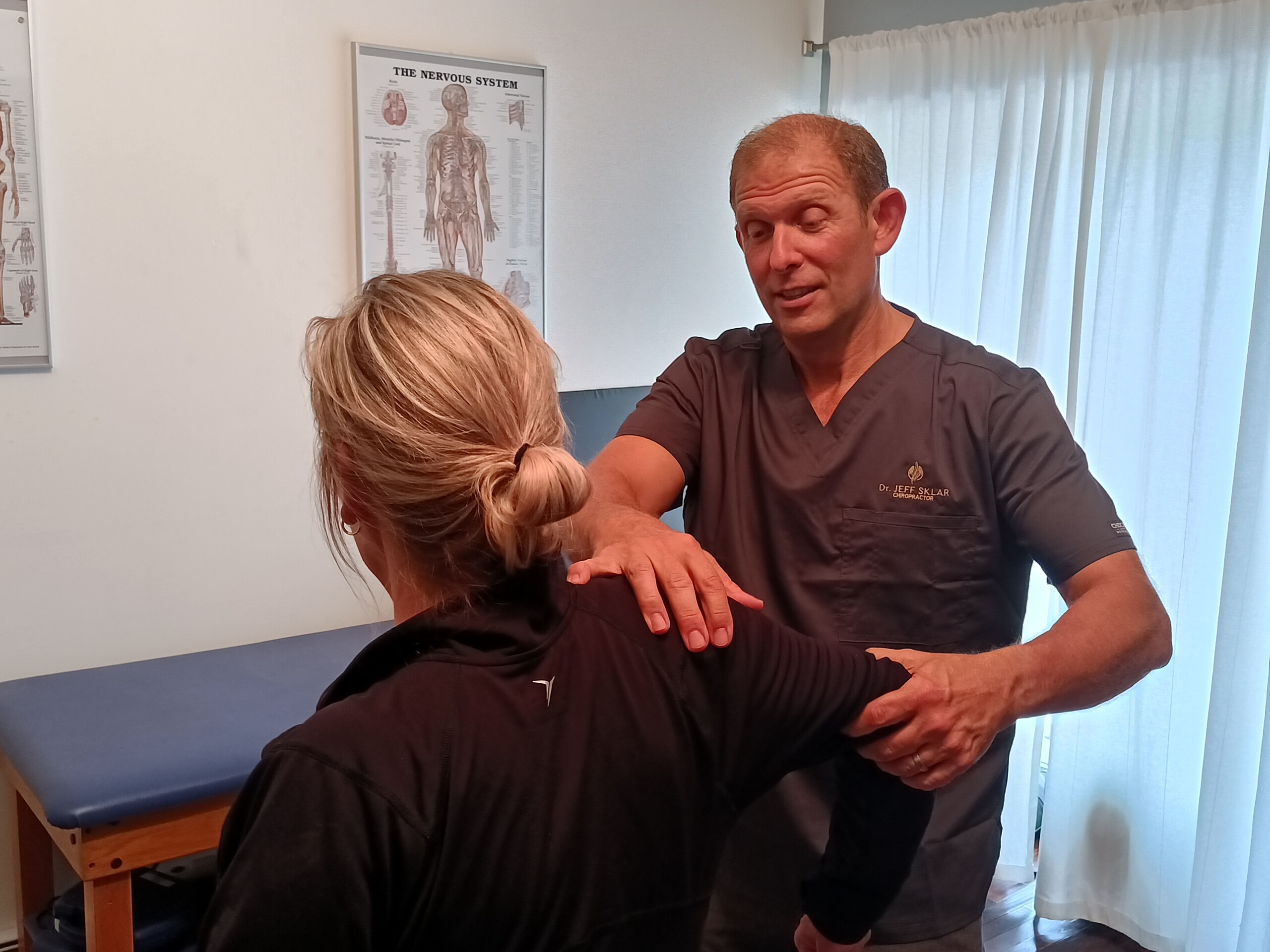
6. Get Hands-On Care When Needed
Targeted care can accelerate results:
-
Myofascial release
-
Soft tissue therapy
-
Chiropractic adjustments
These help restore normal mechanics and reduce compensations.
The Bigger Picture: Aging Well vs. Just Aging
4
Loss of elasticity is normal—but becoming stiff, immobile, and in pain is not something you have to accept.
Patients who prioritize tissue health tend to:
-
Move better
-
Recover faster
-
Experience less pain
-
Maintain independence longer
Final Thought
You don’t stop moving because you get older.
You get older—functionally—because you stop moving.
You get older—functionally—because you stop moving.
Maintaining pliable, elastic soft tissue is one of the most powerful ways to:
-
Stay active
-
Prevent injury
-
Preserve your quality of life